
Polished Concrete
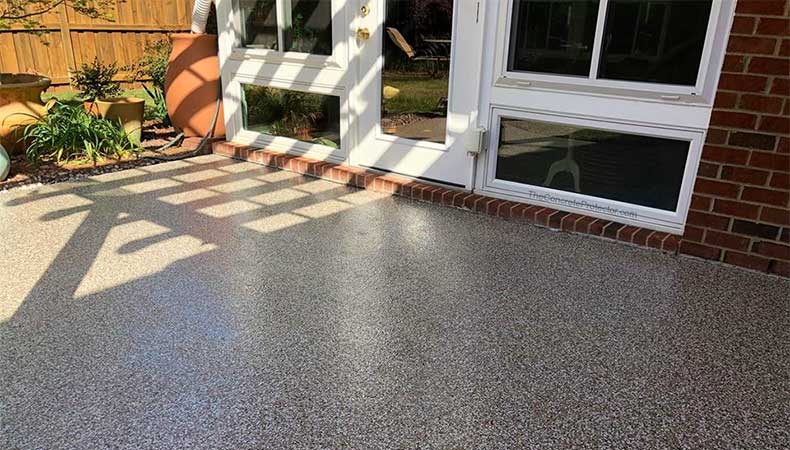
Polished concrete is a trend in the flooring industry that has been growing steadily over the last few years. It’s easy to see why – polished concrete provides a sleek, beautiful surface that can be customized and tailored to your unique style preferences. But, before you dive into this incredible option for your home or business, it’s important to understand what polished concrete is, how it works, and its benefits. Continue reading to learn more!
What Is Polished Concrete?
Polished concrete is a flooring alternative that uses polished stone to create an unnatural and polished aesthetic. The concrete polishing process not only gives your concrete floor a glossy finish, but also strengthens and densifies the concrete from within.
How Does Polished Concrete Work?
One of the most popular ways it works is by grinding down the top layer of your existing concrete surface. Once this process has been completed, you’ll be left with a gorgeous new floor! If you would rather have a more customized look for your home or business space without destroying any pre existing surfaces, then consider installing polished concrete in addition to your current surface instead. Doing so will allow you to still enjoy all the benefits of natural stone while also adding some fantastic design quality as well!
Concrete Staining Costs
Polished concrete is an affordable, long-lasting option for flooring that offers a number of great benefits.
It’s Safe and Durable
When polished concrete cracks or breaks, it self-heals because the process strengthens your floors from within. The stone has also been tested to withstand up to eight times more wear and tear than natural stone! This means you’ll save both time and money in regard to maintenance costs while still having beautiful hard surface flooring.
It Looks Amazing
Polished concrete comes in a variety of colors including black, grey, white, reds, browns…the options are nearly limitless! It not only looks incredible but can be customized with textures like marble chips mixed into the cement so you can achieve that extra special touch.
It’s Easy to Clean
The sleek, polished surface of the concrete is easy to clean and maintain because it doesn’t collect dirt or debris like other flooring options do! This means you can spend less time cleaning your floors and more time enjoying them!
It’s Eco Friendly
Concrete polishing is a great alternative to stripping concrete. The process removes the surface layer of oxidized, discolored, and deteriorated concrete without harming any underlying material. Concrete polishing will revitalize old surfaces while giving you the advantages of new materials because we use state-of-the-art equipment with diamond tips to cut through and gently grind away the top layers of concrete; plus add an eco coat for long-lasting protection against water damage
How Much Does Polished Concrete Cost?
The concrete polishing process is a very intensive, time-consuming project. It requires the use of heavy machinery such as grinders and diamond tools that are used specifically for this purpose. The cost varies depending on where it will be applied, but typically ranges from $0.25-$0.35 per square foot (up to 15 square feet) or approximately $500-$800 for an average residential driveway (200sq ft). This price does not include any demolition work around the area that needs to be replaced in addition to just being polished. Generally speaking though, if you have broken up concrete needing replacement it would go hand in hand with a concrete polishing job, so you can budget for it together.
Where Should You Use Polished Concrete?
Polished concrete is an excellent flooring choice for virtually any home or business! From garages to interior flooring to commercial businesses to industrial facilities, this flooring solution can be installed virtually anywhere!
Summing Things Up
Polished concrete offers many benefits including its durability, ease of maintenance, eco-friendliness, and affordability which make it the perfect solution for virtually any home. Plus, installing polished concrete doesn’t require any additional structural support so floors won’t sag over time as they do in wood floor systems.